Hospital Hours: Monday-Friday: 8am-6pm | Saturday: 8am-4pm
(519) 896-0532
Full-service veterinary dental cleanings, digital dental X-rays, and tooth extractions. Keeping your pet's mouth healthy and pain-free.
Dental disease is one of the most common health problems we diagnose in adult dogs and cats at Kingsdale Animal Hospital. By age three, most pets already have some form of periodontal disease. The tricky part? Most pets hide mouth pain well. They keep eating, playing, and acting normal even when their gums are inflamed or teeth are infected.
Periodontal disease starts with plaque buildup along the gumline. Within days, that plaque hardens into tartar. Bacteria then work beneath the gumline, causing inflammation (gingivitis), bone loss, and eventually loose or abscessed teeth.
Left untreated, the bacteria don't stay in the mouth. They enter the bloodstream and can damage the heart, liver, and kidneys over time. A professional dental cleaning does more than freshen breath. It treats active disease and protects your pet's overall health.
of pets have periodontal disease by age three
Most show no obvious signs. Regular wellness exams catch disease before it becomes painful or systemic.
Many Kitchener pet owners only notice a problem when their dog or cat has bad breath. But that smell often signals infection that's already well established. Watch for these signs:
Pre-anesthetic bloodwork
Before any procedure, we run bloodwork to check organ function and confirm your pet is a safe anesthesia candidate. This is especially important for senior pets or those with existing health conditions.
General anesthesia and monitoring
Your pet is placed under full anesthesia with continuous monitoring. This keeps them completely still, pain-free, and stress-free throughout the procedure. We monitor heart rate, blood pressure, oxygen levels, and body temperature the entire time.
Digital dental X-rays
We take full-mouth digital radiographs to see what's happening below the gumline. Around 60% of tooth structure is hidden beneath the gums. X-rays reveal root abscesses, bone loss, and fractured roots that a visual exam alone would miss.
Scaling and polishing
Using ultrasonic scaling instruments, we remove plaque and tartar from every tooth surface, both above and below the gumline. We then polish each tooth to smooth the enamel, which slows future plaque buildup.
Extractions (if needed)
If X-rays or the exam reveal teeth that are severely diseased, fractured, or causing pain, we perform surgical extractions during the same procedure. Removing a painful or infected tooth brings immediate relief. We use nerve blocks and pain medication so your pet stays comfortable during recovery.
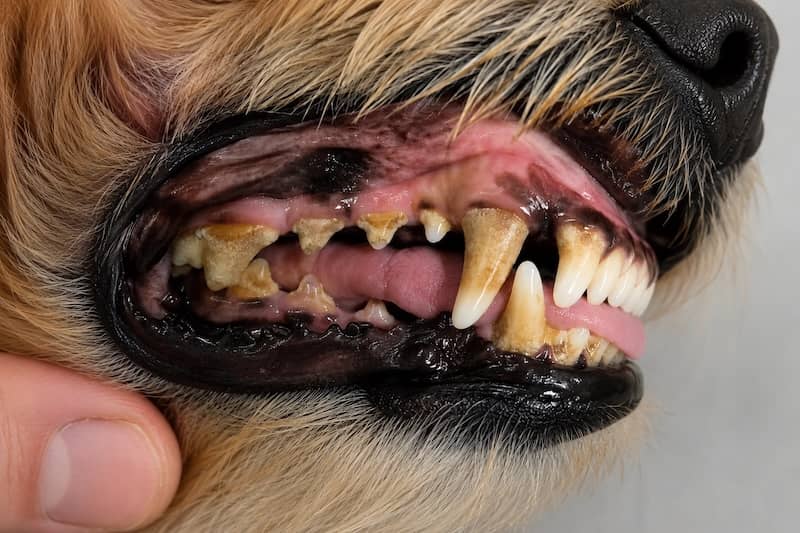
Tartar builds up under the gumline where a toothbrush can't reach. Drag the slider to see what a professional cleaning removes.
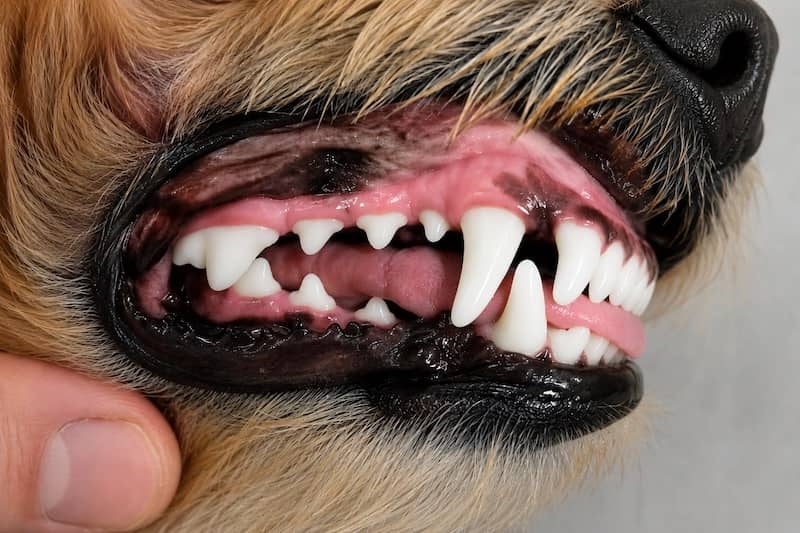
 Before
After
Before
AfterMost pets go home the same day. You can expect some grogginess from the anesthesia that evening, which typically wears off by the next morning.
If extractions were performed, we'll send your pet home with pain medication and any needed antibiotics. You'll feed soft food for 7 to 10 days and keep them calm while the extraction sites heal.
We schedule a follow-up check if needed to make sure everything is healing well. Many owners tell us their pet seems happier and more energetic within days of a dental cleaning, especially when painful teeth were removed. For senior dogs and cats , addressing painful teeth often makes a noticeable difference in their quality of life.
Same-day discharge
Pets go home the same day with clear instructions and any needed medications.
Soft food for 7 to 10 days
If extractions were performed, soft food protects the healing sites while your pet recovers.
Pain medication provided
We send home pain relief and antibiotics where needed to keep your pet comfortable.
Follow-up check if needed
We schedule a follow-up to confirm healing is progressing well after extractions.
Professional cleanings treat existing disease. Home care slows the buildup of new plaque between visits. Here's what works.
Daily Tooth Brushing
The single most effective thing you can do. Use a pet-specific toothpaste, and never human toothpaste. Even a few times per week can make a difference.
Dental Diets
Prescription dental diets like Hill's t/d or Royal Canin Dental are designed with kibble that scrubs teeth as your pet chews.
Water Additives
Products like Vetradent are clinically tested to reduce plaque formation and are easy to add to your pet's daily routine.
VOHC-Approved Dental Chews
Look for the Veterinary Oral Health Council seal. Not all dental chews are effective, and some can fracture teeth.
Ask our team which combination works best for your pet's size, breed, and dental history.
We quote every dental after an exam, because the cost depends on your pet's size, how advanced the disease is, and whether any teeth need to come out. A young dog with mild tartar and a senior cat needing several extractions are two different procedures. You'll get a written estimate before anything is booked, so nothing is a surprise on the day.
Yes, for the large majority of pets. We run pre-anesthetic bloodwork before every procedure to check organ function and confirm your pet is a safe candidate. During the cleaning we monitor heart rate, blood pressure, and oxygen continuously. Senior pets and pets with existing health conditions get more attention at this stage, not an automatic no. You can read more about how we handle anesthesia and patient monitoring.
We don't offer it, and we don't recommend it. Anesthesia-free cleaning only scrapes the visible surface of the tooth. It does nothing below the gumline, which is where periodontal disease does its damage, and it can't include X-rays. The teeth look better afterward while the problem persists.
The only reliable way is an exam, because most pets show no obvious signs until the disease is advanced. Bad breath is what owners usually notice first, and it often means infection is already established. Tartar buildup, red or bleeding gums, dropping food, or chewing on one side are all worth a look.
Around 60% of each tooth sits below the gumline where you can't see it. Digital dental X-rays show root abscesses, bone loss, and fractured roots on teeth that look completely normal from above. Without them we'd be guessing at which teeth are healthy and which ones are causing pain.
Some pets need a cleaning every year. Others need only one or two in their entire life. Genetics and breed matter more than most owners expect, and daily home care makes a real difference. We check your pet's mouth at every wellness exam and tell you when we think it's time, rather than putting every pet on the same schedule.
Most pets go home the same day. Expect some grogginess from the anesthesia that evening, which usually wears off by the next morning. If teeth were extracted, we send home pain medication and you'll feed soft food for 7 to 10 days while the sites heal. Many owners tell us their pet seems happier and more energetic within days, especially once a painful tooth is gone.
If it's been a while since your pet's teeth were checked, or if you've noticed bad breath, tartar buildup, or changes in eating habits, we're here to help.
Book Now