Hospital Hours: Monday-Friday: 8am-6pm | Saturday: 8am-4pm
(519) 896-0532

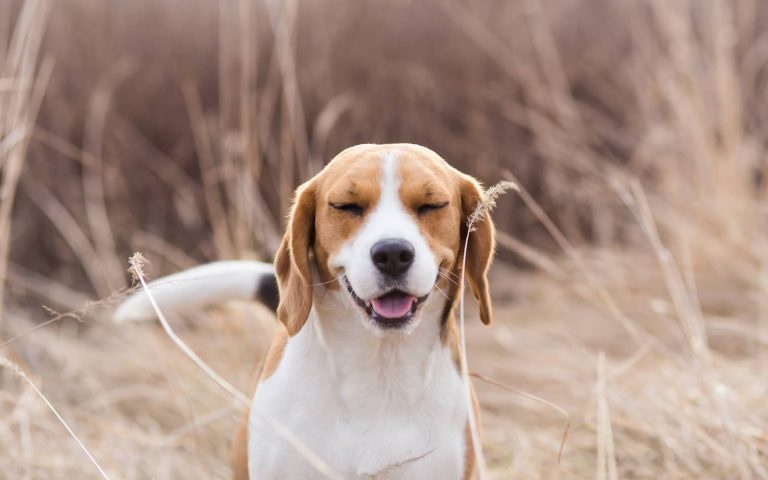
Imagine this: your dog suddenly starts making loud snorting, gasping noises. It looks like they're struggling to breathe! Don't panic – this startling episode is likely reverse sneezing, a common and usually harmless occurrence in dogs. While the sound and sight of reverse sneezing in dogs can be alarming for owners, understanding it can relieve your worries. Let's discuss the potential causes and what you can do to help!
Has your dog ever made a sudden, loud snorting or honking sound, almost like they have something stuck in their nose? If they also extend their neck and seem to momentarily struggle for breath, this is likely reverse sneezing.
Reverse sneezing in dogs is a distinctive, rapid, and forceful inhalation of air through the nose, which is different than a regular sneeze that expels air out. During an episode, your dog may extend its neck, produce a loud snorting sound, and appear as though it's struggling to breathe. This can occur when the soft palate irritates the throat and leads to a temporary spasm of the airway. Commonly triggered by irritants such as dust, pollen, or excitement, reverse sneezing is usually harmless and brief.
Reverse sneezing in dogs is caused by a temporary irritation and spasm in their upper nasal passages, leading to rapid and forceful inhalations of air (unlike a regular sneeze where they push air out).
Think of a reverse sneeze as your dog's way of trying to get rid of something irritating their nose or upper throat area. Here are some common triggers:
While reverse sneezing can be startling to witness, it's important to remember that in most cases, it usually passes quickly on its own.
Here's how you can provide comfort and potentially shorten the episode:
Vet's tip: In most cases, no intervention is needed. Most episodes of reverse sneezing are generally short-lived and harmless.
If your dog has infrequent or occasional bouts of reverse sneezing, no specific treatment is necessary. However, if it becomes a frequent occurrence or seems to be causing discomfort for your dog, it's best to consult with your veterinarian.
Here are some guidelines to know:
While reverse sneezing is generally harmless, there are situations when consulting your veterinarian is important.
I would recommend that you see your veterinarian if you notice anything of the following:
While you might not be able to entirely eliminate reverse sneezing episodes, there are things you can do to reduce their frequency and severity:
Pay attention to when the episodes happen. Does your dog reverse sneeze after exposure to a specific allergen (pollen, dust), or irritant (smoke, cleaning products), or during exciting activities? If you can pinpoint a trigger, try to minimize your dog's exposure.
Use fragrance-free products in your home and avoid smoking near your dog. Consider an air purifier if dust or allergens are a concern.
For dogs prone to reverse sneezing, a harness puts less direct pressure on their neck and throat area, potentially reducing episodes.
Maintaining a healthy weight is important, especially for brachycephalic breeds, as extra weight can put more strain on their breathing.
While reverse sneezing in dogs can be alarming, it is usually harmless and can easily be managed by identifying triggers and making simple lifestyle changes. However, suppose you notice any concerning symptoms or a sudden increase in the frequency or duration of episodes, please consult your veterinarian for further evaluation.


