Hospital Hours: Monday-Friday: 8am-6pm | Saturday: 8am-4pm
(519) 896-0532

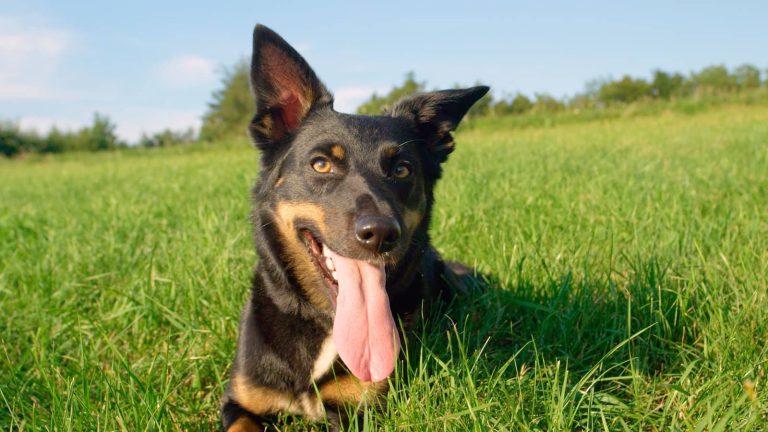
Are you wondering if your dog’s normal resting breathing rate is normal? For most dogs, a normal resting breathing rate is between 15 and 30 breaths per minute when at rest. This article will help you understand resting respiratory rates in more detail and teach you how to spot abnormal breathing. Knowing this information can help you identify potential problems early on and ensure your dog receives prompt veterinary care if needed.
The normal breathing rate for a dog at rest or during sleep is typically between 15 and 30 breaths per minute, although it can vary from as low as 10 up to 35 breaths per minute, with an average of about 24 breaths.
It's important to remember that this is just a general guideline. Some normal dogs may have resting respiratory rates slightly above or below this range.
Puppies, small breeds, and dogs with certain health conditions may naturally have faster breathing rates.
Even though it may be usual for some dogs to breathe less than this range when they are relaxed and exhibiting no distressing symptoms, any instance where the breathing rate exceeds more than 40 breaths per minute while at rest could indicate abnormal respiration.
Many things can affect a dog's respiratory rate. Just like humans, dogs and cats breathe faster when they are excited or exercising. This is considered normal and is simply their body's way of getting more oxygen.
Here are some other factors that can influence how fast your dog breathes:
If your dog is breathing fast or heavy, or you notice any changes in their breathing patterns, it's important to monitor them closely. If you are concerned, contact your veterinarian.
Knowing your dog's resting respiratory rate is important for monitoring their overall health. Here's how to accurately measure it:
For example, if you count 5 breaths in 15 seconds, your dog's resting respiratory rate is 20 breaths per minute (5 x 4 = 20).
By regularly monitoring your pet's resting respiratory rate, you can establish a baseline and quickly notice any changes that may indicate a problem. This is especially helpful for detecting subtle changes in your dog's health over time.

While some variation in breathing rate is normal, there are times when rapid breathing in dogs can signal a problem.
Contact your veterinarian immediately if your dog has any of the following:
Veterinarians use various methods to diagnose breathing issues in dogs. Initial examinations and owner-provided information are very important for guiding further diagnosis and treatment. Vets often treat respiratory distress as an emergency, closely monitoring the pet during diagnosis.
A detailed physical examination is the first place to start. This allows your veterinarian to determine what body system is causing the fast breathing. For example, a heart murmur with weak pulses and crackling lung sounds is suggestive of heart failure with fluid in the lungs.
Furthermore, it is important to keep track of your dog’s respiratory rate when they have congestive heart failure and document the values so that you may review them with your veterinarian.
If your dog is stable, your vet will likely recommend neck and chest X-rays. This allows them to see the important structures involved in breathing, such as the heart, lungs, and trachea. Masses, tumors, and cancer can also be diagnosed with X-rays.
Treatment for fast, rapid breathing varies depending on the underlying cause. If a health problem like heart failure, lung tumors, or an upper respiratory tract infection is detected, your veterinarian will prioritize treating that specific condition.
In cases of severe difficulty breathing, oxygen therapy may be necessary to ensure your dog receives adequate oxygen.
Your vet might also prescribe pain relief medications, anti-inflammatories, or other drugs to manage symptoms and address the underlying cause. Sometimes, intravenous fluid therapy is necessary to address dehydration or shock.
Importantly, when the fast breathing is severe enough to be an emergency, the stress of the event for the pet can often be overwhelming and make the condition worse. Therefore, your vet may implement safe sedation to reduce anxiety for your dog and allow your dog's body to calm.
Measuring your dog's resting respiratory rate is an easy test to do at home. As a reminder, normal resting respiratory rates would be less than 30 breaths per minute, and rates of 40 or more would be considered abnormal.
Please remember that this information does not constitute medical advice. If you are concerned about your dog's fast breathing, always consult your veterinarian for proper diagnosis and treatment.


