Hospital Hours: Monday-Friday: 8am-6pm | Saturday: 8am-4pm
(519) 896-0532

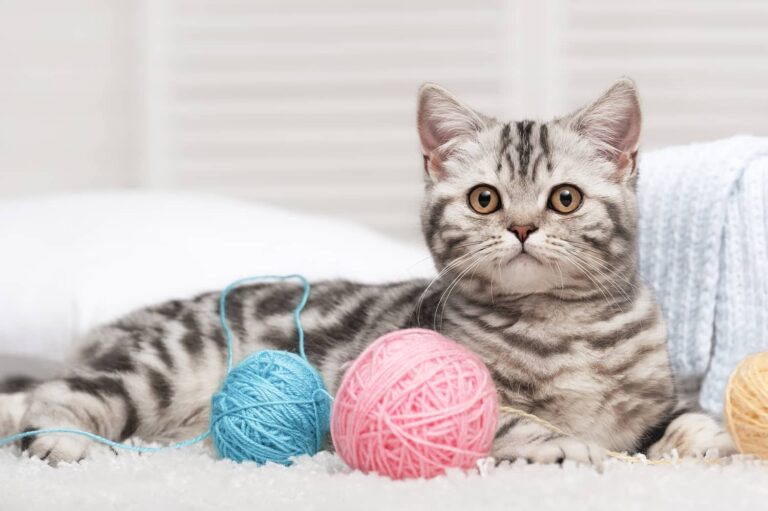
Have you ever seen your curious cat eat something that seemed out of the ordinary and on a constant basis? You may just have a case of pica on your hands. Pica in cats occurs when they eat items that are not meant to be food, such as plastic, dirt or other non-edible items. Some of the causes of pica are less concerning than others and this article will explore the most common causes of pica in cats.
Pica, at its most basic definition, is a compulsive eating behaviour where cats are drawn to consume items that are not traditionally recognized as food.
Pica in cats manifests itself through the ingestion of a wide variety of non-food items. These can range from seemingly harmless things such as plastic or wool to potentially dangerous items like plastic bags, rubber bands, or even electrical cords. It's important to note that occasional curiosity or playfulness with these objects is normal cat behaviour. However, when your cat consistently seeks out and ingests these non-edible items, it may be indicative of pica.
The severity of pica in cats can vary. Some cats may only chew or lick these objects, while others may swallow them whole. This can lead to serious health risks such as intestinal blockages or perforations, which could require emergency veterinary care.
As a cat owner, understanding the concept of pica is vital. It's more than just a quirky behaviour - it's a condition that may signal underlying health issues or contribute to significant health risks. By being aware of what pica is, you are better equipped to identify any early warning signs and seek appropriate veterinary advice.
Intestinal diseases such as inflammatory bowel disease (IBD) are one of the most common causes of pica in cats.
The discomfort caused by IBD might lead a cat to eat unusual substances, such as dirt or plastic, in an attempt to soothe themselves. However, it's important to note that while pica can be a symptom of IBD, not all cats with pica have this underlying condition
When a cat doesn't get enough iron, it can lead to a certain form of anemia known as iron deficiency anemia. This might make your feline friend start acting differently, like feeling weary, acting weak, and having unusual eating habits.
Pica can occur in cats with anemia as it can cause them to develop cravings for non-edible items. The vital role of iron can't be overstated as it's a key ingredient in producing hemoglobin, the substance that allows red blood cells to carry oxygen to the cat's various organs and tissues.
Behavioural factors, including obsessive-compulsive disorder (OCD) and boredom, can also contribute to pica in cats. OCD is a neurological disorder that might manifest as a compulsive need to consume non-food items due to anxiety, stress, or attention-seeking.
Boredom can similarly lead to pica; cats lacking mental stimulation or physical exercise might resort to eating non-food items.
However, these behaviours can pose significant health risks. If OCD or boredom is suspected as the cause of your cat's pica behaviour, it's essential to consult with your veterinarian. They can provide strategies to manage these behaviours and ensure your cat's mental and physical well-being.
Hyperthyroidism, a condition caused by an overactive thyroid gland, can also be a potential cause of pica in cats. This condition leads to excessive production of thyroid hormones, which can accelerate the cat's metabolism and result in various symptoms such as weight loss, increased appetite, and behavioural changes.
In some cases, this escalated appetite can lead to pica in cats, with the cat starting to consume non-food items due to insatiable hunger. However, it's crucial to note that not every cat with pica has hyperthyroidism. If your cat exhibits signs of pica, it's important to consult with a veterinarian. They can perform necessary tests to determine if an underlying condition like hyperthyroidism is causing this behaviour.
Feline Immunodeficiency Virus (FIV) is another potential cause of pica in cats. We do not have a clear explanation why some cats with FIV have pica but current theories include the notion that FIV may cause neurological damage, leading to altered brain function and pica.
As pica is a symptom rather than a disease, you must first determine the cause. Once the cause has been identified, you can start working towards effective treatment.
Depending on the items a cat ingests, pica can be dangerous. Ingesting non-food items can lead to serious health risks such as intestinal blockages or perforations, which could require emergency veterinary care.
In conclusion, pica in cats is a compulsive eating behaviour where they consume items that aren't meant to be food. It can range from seemingly harmless things such as plastic or wool to potentially dangerous items like rubber bands and electrical cords. There are many potential causes of pica in cats such as intestinal diseases, anemia, hyperthyroidism, Feline Immunodeficiency Virus (FIV), and even behavioural factors like boredom or obsessive-compulsive disorder (OCD). If your cat exhibits signs of pica it's important to consult with a veterinarian who can perform necessary tests to determine the underlying cause and provide strategies for managing these behaviours. Ultimately understanding what pica is will help you better equip yourself to identify any early warning signs before they become more serious health risks. If you are concerned that your cat has pica, please contact your veterinarian.


