Hot Spots on Dogs: Unraveling the Mystery of Acute Moist Dermatitis
Dr. Brad Hinsperger, B.Sc., DVM
Published April 6, 2023 · Updated April 26, 2024 · 6 min read
Hot spots on dogs, also known as acute moist dermatitis, are a common and frustrating skin condition that can affect our canine companions. Characterized by red, inflamed, and often oozing skin lesions, these hot spots can cause significant discomfort and distress for both dogs and their owners. In this article, we'll discuss acute moist dermatitis, explore its underlying causes, identify the signs and symptoms, and discuss effective treatment options and prevention strategies.
What are hot spots on dogs and what causes them?
Hot spots on dogs are also known as pyotraumatic dermatitis or acute moist dermatitis and result in marked inflammation of an area of the skin. This inflammation of the skin is often caused by bacterial skin infection and triggers an inflammatory response, resulting in red, oozing sores that can be very itchy and painful for dogs.
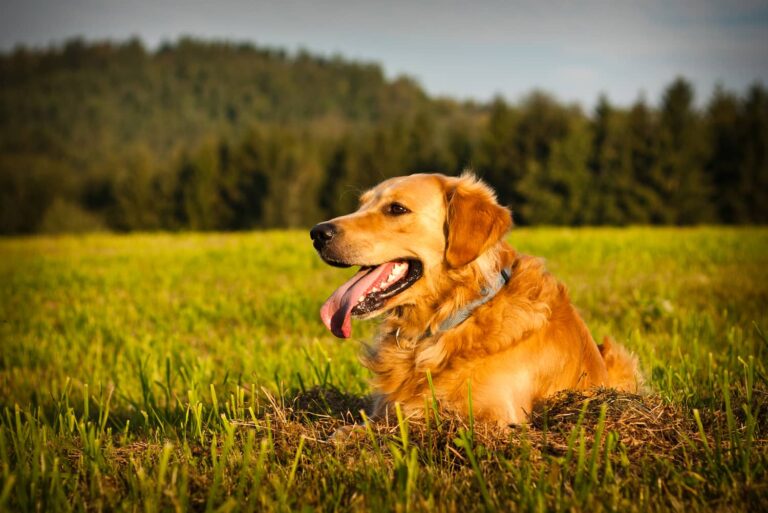
Hot spots are especially prevalent in breeds with thick coats or dense undercoats, like Golden Retrievers, Labrador Retrievers, German Shepherds, Collies, and Spaniels. However, it's important to note that hot spots can affect dogs of any breed or type, and they can develop at any age.
Most cases of hot spots on dogs tend to arise during the sticky, humid weather, however, they can also arise at any point throughout the year.
Typical location for a hot spot on dogs
Hot spots in dogs can be triggered by various factors that cause itching or irritation to their skin. Some common causes include:
Allergies (atopy)
Reactions to flea bites (flea bite allergy)
Issues with anal sacs (anal sac disease)
Foreign objects caught in the fur
Dirty or tangled hair
Muscle or joint pain (painful musculoskeletal problems)
Ear infections (otitis externa)
What are the symptoms of hot spots on dogs?
The symptoms of hot spots in dogs can be quite distressing for both the dog and its owner. These irritated, inflamed skin lesions often appear suddenly and can worsen rapidly. The affected area may become red, swollen, and moist, sometimes with a discharge or pus. There may also be the presence of matted fur or even hair loss. Your dog may excessively scratch, lick, or chew at the spot, which can further aggravate the condition.
In some cases, hot spots can be painful and cause your dog to become restless, agitated, or even aggressive when the area is touched. It is important to recognize these symptoms early and consult with your veterinarian for prompt diagnosis and treatment, as untreated hot spots can lead to more severe complications and discomfort for your dog.
Areas most prone to hot spots include the ears, and cheeks, near the tail, on the back, and near the anal area. The location of the hot spot is often related to the primary cause of the irritation, such as ear infections, anal sac issues, or flea bite reactions.
How are hot spots diagnosed in dogs?
Diagnosing hot spots in dogs typically begins with a thorough examination by your veterinarian. They will assess your dog's skin condition, paying close attention to the affected areas and noting the appearance, size, and severity of the lesions. Your vet may ask you about your dog's medical history, recent behaviors, and any possible triggers that could have led to the development of the hot spot.
In some cases, your veterinarian may perform additional diagnostic tests to rule out other skin conditions or identify the underlying cause of the hot spots. These tests may include skin scrapings, which involve collecting a small sample of the affected skin to examine under a microscope for the presence of parasites such as mites (e.g. Sarcoptes). A swab from the area may be evaluated to look for bacteria or fungal infections. A culture and sensitivity test may also be performed to identify specific bacteria and determine the most effective antibiotic treatment.
Once the examination and tests are complete, your veterinarian will be able to provide a diagnosis and recommend appropriate treatment options to address both the hot spots and any underlying issues contributing to their development.
What is the treatment for hot spots on dogs?
Hot spot treatment for dogs typically involves a combination of approaches aimed at alleviating discomfort, promoting healing, and addressing the underlying cause of skin irritation. Here are some common steps your veterinarian may recommend when treating hot spots:
Clipping and cleaning: The hair around the affected area will often be carefully clipped to expose the hot spot and allow for better airflow, which aids in the healing process. The area will then be gently cleaned with a mild antiseptic solution to remove debris and reduce the risk of infection. In some cases, if the hot spot is extremely painful, your veterinarian may recommend sedation to ensure a safe and comfortable experience while shaving and treating the affected area. This approach helps minimize stress and pain for your dog during the treatment process.
Topical treatments: Your veterinarian may prescribe topical medications, such as ointments, creams, or sprays, to help soothe irritated skin and control inflammation. These treatments may contain antibiotics, antifungal agents, or corticosteroids, depending on the specific needs of your dog.
Oral medications: In most cases, your dog may be prescribed oral antibiotics or anti-inflammatory medications, such as prednisone, to help combat infection and reduce inflammation and pain. These medications might be required if the hot spot is particularly severe or if there's a possibility that the infection could spread to other parts of the body.
E-collar: To prevent your dog from further scratching, licking, or biting the affected area, your veterinarian may recommend using an Elizabethan collar (also known as an E-collar or "cone").
To be successful, it is imperative to identify and treat any underlying issues that may have contributed to the development of the hot spot, such as allergies, flea infestations, or ear infections. Your veterinarian will work with you to determine the most appropriate course of action to prevent future occurrences.
What is the prognosis for dogs with hot spots?
With proper treatment, most hot spots in dogs show significant improvement and typically heal within 3 to 7 days. However, if the underlying cause is not identified and managed effectively, recurrences can occur.
To help prevent future hot spots, it's important to maintain good flea control, practice regular grooming and hygiene, closely monitor and clean your dog's ears if they have a history of ear infections, and ensure periodic anal sac evacuation as needed. These preventative measures can greatly reduce the chances of recurring hot spots and keep your dog's skin healthy.
In conclusion, hot spots, or acute moist dermatitis, are a common skin issue in dogs that can cause significant discomfort and distress. Treatment typically involves cleaning the area, using topical and oral medications, and addressing any underlying causes to prevent a recurrence. Hot spots can affect any dog breed but are especially common in those with thick or dense coats. By maintaining good parasite control, regular grooming, and monitoring your dog's overall health, you can help keep their skin healthy and prevent the development of hot spots in the future.
If you have any questions about hot spots in your dog, please contact your veterinarian.
Written by
Dr. Brad Hinsperger, B.Sc., DVM
Dr. Hinsperger is a practicing veterinarian with 20 years of dedicated experience in small animal medicine and surgery at Kingsdale Animal Hospital.