
Hospital Hours: Monday-Friday: 8am-6pm | Saturday: 8am-4pm
(519) 896-0532

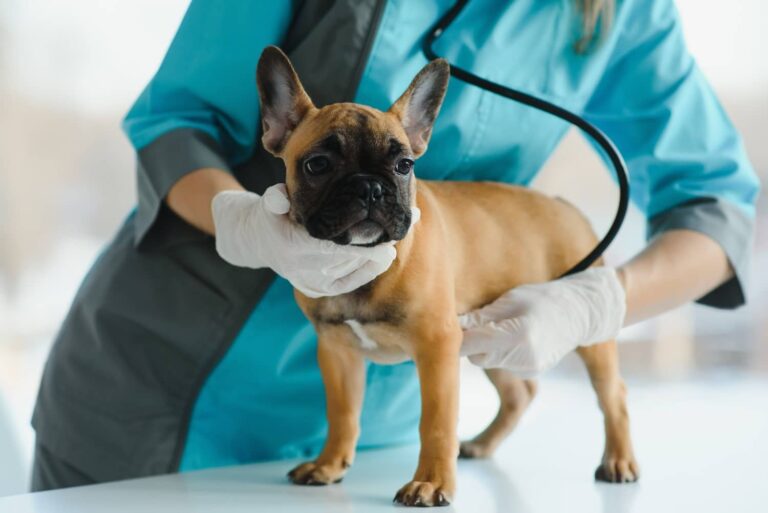
The Bordetella vaccine is a common preventative measure given to dogs. It helps protect against kennel cough, a highly contagious and potentially serious respiratory infection. Many dog owners have questions about this vaccine such as what type is better when comparing the oral, intranasal, and injectable forms. Dog owners also ask how fast they work and how long they last. This comprehensive guide will answer all your questions and provide you with important information about the Bordetella vaccine for dogs.
Bordetella bronchiseptica is a type of bacteria that plays a leading role in the complex of viruses and bacteria that cause kennel cough, or canine infectious tracheobronchitis. This ailment is similar to a human cold but can be more severe in dogs, leading to a persistent, forceful cough that often sounds like a goose honk.
Bordetella is highly contagious among dogs, spreading through airborne droplets, direct contact, or contaminated surfaces. While dogs of any age can be affected, puppies, senior dogs, and those with compromised immune systems are particularly susceptible to severe symptoms.
In addition to a harsh, hacking cough, dogs with Bordetella may exhibit sneezing, runny nose, and in more serious cases, lethargy, fever, and loss of appetite. Without proper treatment, Bordetella can lead to pneumonia, a more serious respiratory infection that requires immediate veterinary care.
Vaccination against Bordetella is a proactive step in preventing kennel cough, particularly for dogs that socialize with other dogs or are boarded. While the vaccine may not prevent the disease entirely, it significantly reduces the severity and duration of symptoms, and it can lessen the likelihood of complications such as pneumonia.
Vaccination is also a key component in controlling the spread of the infection in the community. Many boarding facilities and training classes require proof of Bordetella vaccination due to the ease with which the bacteria can spread in a group setting.
By vaccinating your dog, you're not only protecting their health but also contributing to the wider health of the canine community. It's a responsible step that can prevent outbreaks of kennel cough and ensure that all dogs, especially those most vulnerable, are safeguarded against this respiratory disease.
RECOMMENDED READING: Why did my dog get kennel cough when vaccinated?
There are three types of Bordetella vaccines: oral, intranasal, and injectable. The oral vaccine is administered by mouth, while the intranasal vaccine is given through the nose. The injectable vaccine, on the other hand, is a subcutaneous injection, similar to the core vaccines.
The intranasal vaccine is the most commonly used form of the Bordetella vaccine. It is made up of a weakened version of the bacteria that causes kennel cough and is administered through a nasal spray. Nobivac® Intra-trac®3 made by Merck Animal Health is a common intranasal vaccine.
Advantages:
Disadvantages:
The oral Bordetella vaccine is given by administering approximately 1 mL of vaccine fluid into the mouth. Most oral vaccines are somewhat palatable and there is little issue with administering them to dogs. Nobivac® Intra-trac®3 ORAL made by Merck Animal Health and Vanguard® B Oral from Zoetis are examples of the oral vaccine.
Advantages:
Disadvantages:
The injectable Bordetella vaccine is administered as a subcutaneous injection, similar to the core vaccines. It contains killed bacteria and thus does not provide as rapid immunity as the other forms of vaccination. Zoetis makes Bronchicine® which is an injectable Bordetella vaccine.
Advantages:
Disadvantages:
Ultimately, the best type of Bordetella vaccine for your dog will depend on various factors, including age, health, lifestyle, and potential exposure to other dogs. As mentioned earlier, it's essential to consult with your veterinarian to determine the most appropriate vaccine for your furry friend.
Some things to consider when choosing a Bordetella vaccine include:
Ultimately, all three types of Bordetella vaccines are effective in protecting against kennel cough. It's important to consult and follow your veterinarian's recommendation and ensure that your dog's vaccinations are kept up-to-date for their health and the health of other dogs they may come into contact with.
The frequency of the Bordetella vaccine for your dog depends primarily on their level of exposure to other dogs, such as visits to dog parks and playdates, as well as whether they will be staying in a kennel facility. Most kennel facilities require annual vaccination against Bordetella in dogs.
Most veterinarians recommend that dogs receive the Bordetella vaccine annually if they are at high risk for exposure. Make sure to consult with your veterinarian to determine the most appropriate vaccination schedule for your dog, tailored to their specific risk factors and lifestyle.
The timeframe for the Bordetella vaccine to take effect varies depending on the type of vaccine given. With the intranasal and oral forms, immunity can develop within 48 hours after vaccination. However, with the injectable form, it takes approximately 7 days following the booster dose to be fully protective.
For optimal protection, plan your dog's vaccination schedule ahead of any expected boarding or socialization to ensure full immunity when it's needed most.
In conclusion, the Bordetella vaccine is an important component of your dog's healthcare plan, particularly if your pet is regularly in settings with other dogs, such as kennels, dog parks, or grooming salons. There are three types of Bordetella vaccines: intranasal, oral, and injectable. Each has its unique advantages and disadvantages, and the best choice depends on your dog's age, health, lifestyle, and potential exposure to other dogs. The intranasal and oral vaccines tend to offer rapid protection, while the injectable form may take up to a week to provide full immunity. Always consult with your veterinarian to develop an appropriate vaccination schedule for your furry friend, ensuring that they remain healthy and protected.


