Hospital Hours: Monday-Friday: 8am-6pm | Saturday: 8am-4pm
(519) 896-0532

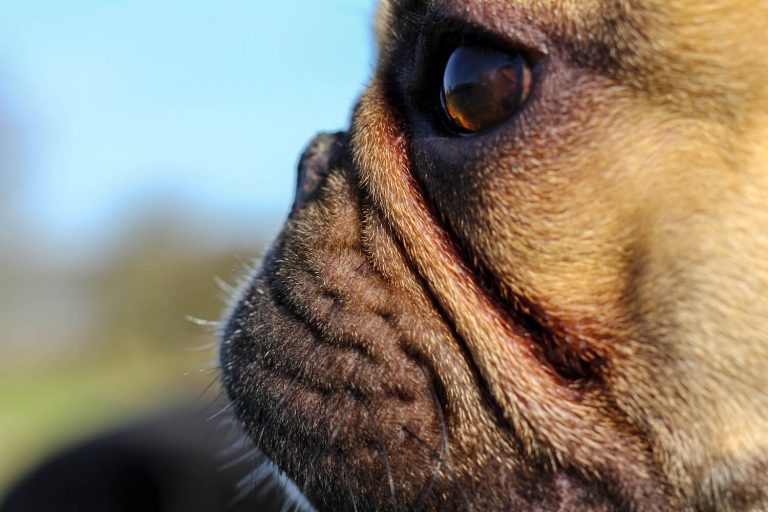
In brachycephalic obstructive airway syndrome in dogs (BOAS), they have difficulty breathing due to their compressed face and poorly developed upper respiratory system. This can lead to several health problems, including heat stroke and respiratory failure. If you are the owner of a brachycephalic dog, it is important to be aware of the signs and symptoms of BOAS and seek veterinary care if your pet shows any signs of distress. In this article, we will discuss the causes and symptoms of BOAS in dogs, as well as treatment options.
Brachycephalic means "short-headed" and refers to dogs and cats with a compressed face. These breeds have a shortened muzzle and poorly developed nostrils, which can lead to upper airway obstruction. Some of the most common brachycephalic dog breeds include bulldogs, pugs, Boston terriers, Shih Tzus, Pekingese, and boxers. Clinical symptoms can manifest at any age; however, they are most common in puppies and young adults. Obese animals have been observed to experience an exacerbation of clinical symptoms.
BOAS is a term used to describe upper airway obstruction caused by any combination of anatomical abnormalities of the respiratory system. Brachycephalic dogs and cats have a compressed face, poorly developed nostrils, and a distorted soft palate that results in restricted airflow and airway obstruction. The brachycephalic obstructive syndrome can lead to several health problems, including heat stroke and respiratory failure. Typical abnormalities of brachycephalic obstructive airway syndrome include:
One or more of these anomalies may be present in an individual dog with brachycephalic syndrome.
Stenotic nares: Stenotic nares is a congenital narrowing of the nostrils. They contribute to the severity of clinical symptoms by increasing respiratory effort and pushing the soft palate deeper into the larynx.
Elongated soft palate: Inflammation and edema are produced by friction against the epiglottis during respiration, which restricts airflow and aggravates clinical symptoms.
Everted laryngeal saccules: Laryngeal saccules are soft tissue structures located near the vocal cords. During inspiration, the higher the respiratory effort, the greater negative pressure in the airway encourages laryngeal saccule eversion and further restriction to airflow.
Tracheal hypoplasia: Tracheal hypoplasia is a congenital defect in which the trachea has an abnormally small diameter and has high resistance to airflow.
Brachycephalic syndrome is directly caused by abnormal anatomical changes to the respiratory system as noted above. In addition, brachycephalic obstructive airway syndrome in dogs refers to upper airway obstruction caused by any combination of anatomical abnormalities of the respiratory system. Brachycephalic animals have a compressed face, poorly developed nostrils and distorted soft palate that result in restricted airflow and increased resistance during inspiration. To overcome this problem brachycephalic dogs must exert higher negative pressure within their lungs which also causes inflammation causing more irritation on top of the congestion already present.
Symptoms can be mild in some brachycephalic dogs or very severe where they present in respiratory distress. Symptoms of upper airway obstruction include:
Mildly affected animals have increased upper airway noise (e.g. snoring, snorting), especially with exercise. Severely affected animals have marked inspiratory stertor and/or stridor, cyanosis, and collapse after exercise.
The clinical symptoms of brachycephalic obstructive airway syndrome may be exacerbated by exercise, hyperthermia, or any other form of stress. Dogs who are affected by this syndrome are susceptible to hyperthermia at any temperature since their most important method for thermo-regulation (i.e. panting) is disrupted.
Definitive treatment involves surgical repair of the anatomical abnormalities that are present. As dogs with brachycephalic obstructive airway syndrome have an increased anesthetic risk, conservative management is often implemented first provided the symptoms are mild. This may include weight loss if the dog is obese, avoidance of hot weather, and drug therapy such as bronchodilators and corticosteroids. Otherwise, specific therapy is isolated to the anatomical malformation (e.g. surgical correction for stenotic nares).
After a dog has undergone corrective procedures to correct BOAS, it is best to withhold food for 12-24 hours. Water should be offered first, in small amounts. Once the dog is ready for food again, small portions of canned food should be given under close supervision.
Animals demonstrating clinically significant BOAS or tracheal hypoplasia should not be bred. As obesity contributes to the worsening of airway obstruction in brachycephalic dogs, a healthy weight is required. It is incredibly important for owners of brachycephalic dog breeds to understand the clinical symptoms associated with this syndrome. Brachycephalic dogs should avoid warm, humid places, intensive exercise, and excitement since they can induce more panting, subsequent airway edema, increased airway blockage, and respiratory distress.
Younger dogs that have surgery to correct the underlying anatomical problems have a greater outcome and carry a better prognosis. The more chronic the problem, the worse it is, making treatment and management much more challenging.
If you own a brachycephalic dog, it is important to be aware of the signs and symptoms of BOAS and seek veterinary care if your pet shows any signs of distress. In this article, we have discussed the causes and symptoms of BOAS in dogs, as well as treatment options. For more information on BOAS or other health concerns affecting your pet, contact your veterinarian.


