Hospital Hours: Monday-Friday: 8am-6pm | Saturday: 8am-4pm
(519) 896-0532

Did you know that dehydration in dogs is a common problem? It can be deadly if not treated. The clinical signs of dehydration in dogs can be subtle, but you can get your dog the help it needs before it's too late if you know what to look for. Dehydration in dogs can be a result of many clinical conditions, especially those conditions that cause excessive thirst and urination. Today we're going to talk about the clinical signs of dehydration in dogs so you can be on the lookout for them and get your dog the help they need.
Water is very important to all bodily functions. It makes up a large part of blood and helps to regulate blood volume, therefore, delivering oxygen to tissues and organs. Dehydration in dogs occurs when there is an imbalance of water in the body and not enough water is available for the cells to function properly. Essentially, if the body loses more fluid than it takes in, dehydration will occur. Dehydration in dogs can be caused by many things, including:
Any disease or condition that affects the kidney's ability to reabsorb and retain water can lead to dehydration. Diseases such as diabetes mellitus, diabetes insipidus, Cushing's disease and kidney disease for example can cause dehydration because they result in excessive water loss in the urine.
You may notice your dog drinking more water than usual to help make up for the loss of water in the urine. In most cases, the amount of water the dog drinks will not be enough to make up for the loss and dehydration will occur.
Vomiting or having diarrhea contribute to the signs of dehydration in dogs because they are losing fluids faster than they can take them in. Anything that causes an upset stomach or increased intestinal motility can lead to dehydration through vomiting and diarrhea. Some examples include gastroenteritis, pancreatitis, parvovirus and various infections and parasites.
Dogs that overheat can become dehydrated because they are sweating and losing fluids through panting. In some cases, they may also vomit or have diarrhea. Heatstroke can occur when a dog is left in a hot environment without access to water or shade. It can also occur during strenuous exercise in hot weather.
The signs of dehydration in dogs depend on the severity of the dehydration. Some signs are more subtle than others and maybe easy to miss. It's important to know the signs of dehydration so you can get your dog the help they need as soon as possible.
With the typical signs of dehydration in dogs, it's important to seek medical attention right away since dehydration can be a serious medical emergency. Treatment for dehydration will vary depending on the severity of the dehydration and the underlying cause.
In mild cases of dehydration, you can promote water consumption by offering your dog canned food or broth, or by adding water to their dry food.
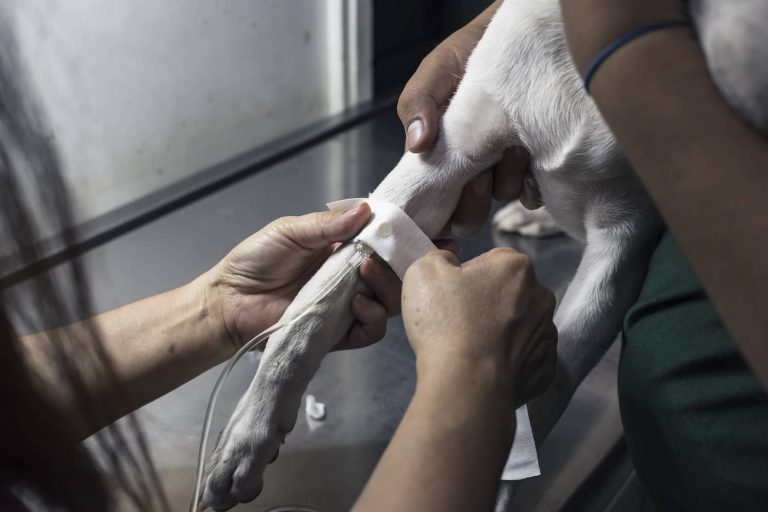
If your dog is more severely dehydrated, it will need to be treated by your veterinarian. Treatment may involve giving your dog fluids under the skin (subcutaneous fluids) or through an IV (intravenous fluids). In some cases, your dog may need to be hospitalized for treatment.
Dehydration can be a serious medical emergency, so it's important to be aware of the signs and seek treatment as soon as possible. If you have any concerns that your dog may be dehydrated, please contact your veterinarian right away.
There are some things you can do to help prevent dehydration in your dog.
1. Make sure they have access to fresh, clean water at all times. This is especially important in hot weather or if your dog is exercising strenuously.
2. Avoid giving your dog salty low quality snacks, as this can increase thirst and lead to further dehydration.
3. Take breaks during strenuous exercise and give your dog plenty of water to drink.
4. If your dog is vomiting or has diarrhea, contact your veterinarian right away as these conditions can lead to dehydration.
5. Be aware of the signs of dehydration and contact your veterinarian if you have any concerns.
Dehydration in dogs is a common problem, and it can be serious if not treated. The clinical signs of dehydration in dogs can be subtle, but you can get your dog the help it needs before it's too late if you know what to look for. Common symptoms of dehydration in dogs include dry or tacky mucous membranes, loss of skin turgor, reduced urination, constipation, and lethargy or weakness. If you are concerned that your dog may be dehydrated, please contact your veterinarian for further information and assessment.


