Hospital Hours: Monday-Friday: 8am-6pm | Saturday: 8am-4pm
(519) 896-0532

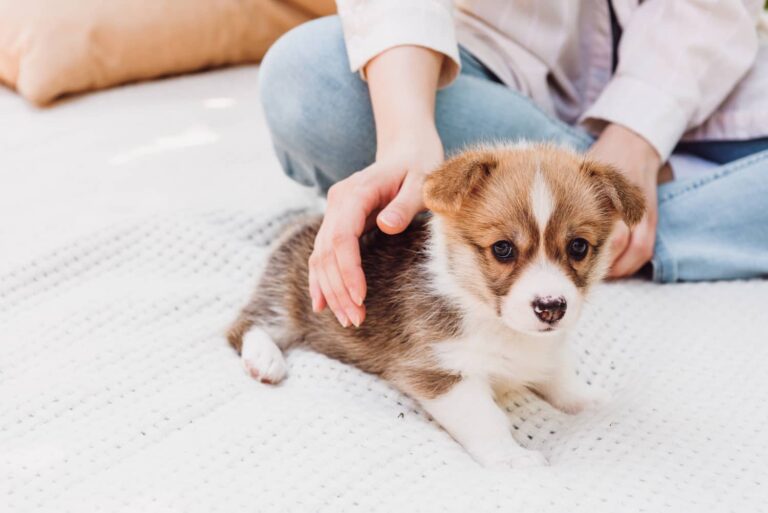
It's not just us humans who encounter hiccups in life, our furry friends, like puppies, can also experience them. Though getting occasional hiccups is quite common for puppies, figuring out the reasons behind them and finding the best remedies can be a bit puzzling in some cases. In this blog post, we'll shed light on hiccups in puppies and provide simple explanations for puppy owners. Discover what triggers these hiccups and explore the effective ways to ease this symptom. Keep reading to unravel this surprisingly frequent occurrence among adorable little pups!
Hiccups in puppies occur due to involuntary contractions of the diaphragm (myoclonus), mainly affecting one side, and occasionally involving the muscles between the ribs. These hiccups are usually harmless and can be triggered by stomach distension or irritation.
This contraction causes a breath to be taken in, followed by the closing of the glottis (your puppy's vocal cords). This sequence results in the characteristic "hic" sound we associate with hiccups.
While rare, certain neurological conditions can interfere with the hiccup reflex, which involves the vagus nerve, brainstem, cervical spinal cord, and phrenic nerve.
Hiccups in puppies, while often surprising for new pet owners, are a fairly common occurrence. Understanding the common causes can help you better care for your puppy. Here are some of the most typical triggers of hiccups in puppies:
Recognizing the "Hic" Sound
The primary symptom of hiccups in puppies is the distinctive "hic" sound, similar to hiccups in humans. This sound is different from coughing, vomiting, or reverse sneezing, which are other common behaviours in puppies.
Observing Rhythmic Movements
When your puppy has hiccups, their body will exhibit rhythmic movements. These are caused by the involuntary contractions of the diaphragm muscle, which may result in noticeable shaking or jerking of the chest and belly.
Noticing Behavioral Changes
During episodes of hiccups, you might notice changes in your puppy's behaviour. They may appear more tired or overly excited, both of which can be triggers for hiccups.
Assessing the Duration
Typically, puppy hiccups are short-lived and will resolve within a few minutes. However, if these hiccups persist for more than a few hours, it's advisable to consult with your veterinarian.
Identifying Associated Symptoms
While hiccups are usually harmless, it's important to be aware of accompanying symptoms. If your dog is coughing, having trouble breathing, seems fatigued, has lost its appetite, or is experiencing other related symptoms along with hiccups, it's important to seek advice from your veterinarian.
In the vast majority of causes of hiccups in puppies, no treatment is required and they will resolve spontaneously. You can try relaxation techniques but gently stroking their belly or engaging them in calm activities. Additionally, engage your puppy in a different activity to distract them from their hiccups, play a game or take them for a short walk.
In most cases, you do not need to be worried about your puppy having hiccups as they are often self-limiting. Of course, if the hiccups persist, or if you are concerned, please contact your veterinarian.
Here are some prevention tips to consider:
In conclusion, we hope that this blog article has provided you with a better understanding of hiccups in puppies. Puppy hiccups can be alarming but with proper monitoring and care, most episodes will pass quickly and won’t cause any lasting issues. Prevention is also key by eliminating stressful events when possible or watching to make sure the puppy is not over-eating or drinking. Remember, it is normal for puppies to occasionally have hiccups as they grow and mature into happy adult dogs. With a little knowledge of the causes and treatments for hiccups in puppies, your pup should be happy and healthy in no time!


