Hospital Hours: Monday-Friday: 8am-6pm | Saturday: 8am-4pm
(519) 896-0532

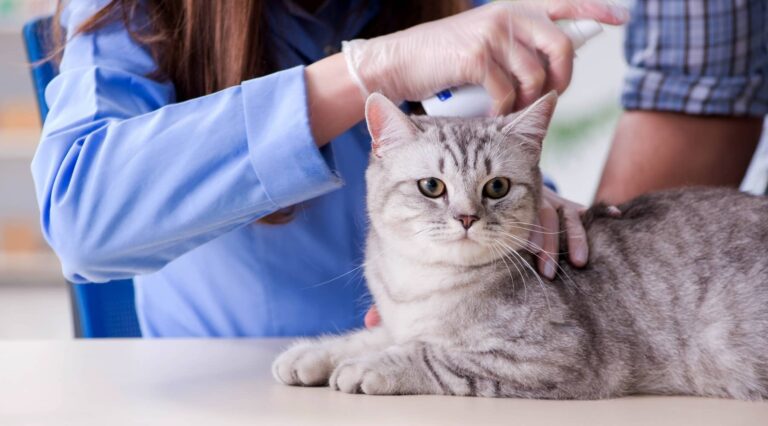
Dealing with a cat abscess can be distressing for both the pet and the owner. Often caused by bacterial infection, cat abscesses can lead to discomfort and even serious complications if left untreated. This comprehensive article will guide you through understanding the causes, identifying symptoms, and exploring effective treatments for cat abscesses, ensuring your feline friend receives the best care.
A cat abscess refers to a buildup of pus in a specific area or cavity, which consists of inflammatory cells, exudate, and sometimes infectious organisms. These abscesses may occur in any part of the body.
Depending on where the abscess occurs, the naming will help in identifying the location. For example, a subcutaneous cat abscess is one that forms just under the skin, while a tooth root abscess is an infection that develops in the roots of a tooth.
Abscesses in cats usually develop as a result of contaminated bite wounds, scratches, or other types of trauma (such as a foreign object penetrating the skin or injected material), or they can occur when a systemic infection spreads to the subcutaneous tissues which area beneath the skin.
The most frequent cause, however, of a cat abscess is cat-to-cat bites. The bacteria involved in creating abscesses are usually anaerobic (living without oxygen) and often include multiple types.
Common bacteria found in cat abscesses include Pasteurella multocida and Fusobacterium spp. It should be noted that cats with weakened immune systems are more prone to developing abscesses.
An abscess in cats typically forms when bacteria infiltrate the skin or subcutaneous tissues, usually as a result of a bite or scratch. The body reacts to this bacterial invasion by mounting an inflammatory response, leading to the accumulation of pus and the formation of an abscess.
If the initial wound, such as a bite mark, heals quickly, it can trap bacteria under the skin, creating an ideal environment for the abscess to develop. Over time, increased pressure within the abscess can cause it to rupture, releasing pus externally. Alternatively, if the abscess doesn't rupture, it may develop into a persistent, problematic condition with intermittent swelling or draining.
Not all cats are equally prone to developing abscesses. Some factors significantly elevate the risk. Cats that are allowed to roam outdoors, particularly intact males, are more likely to engage in territorial fights, resulting in bite wounds that can lead to abscesses. Multi-cat households may also see a higher incidence of abscesses due to the increased likelihood of conflicts among cats.
Additionally, certain health conditions can make a cat more susceptible to abscess formation. Cats with compromised immune systems, whether due to medical conditions like feline leukemia virus infection (FeLV), feline immunodeficiency virus infection (FIV), diabetes mellitus, chronic renal failure, or because of immunosuppressive medications, are at higher risk. These conditions can weaken the body's ability to fight off infections, turning even minor wounds into potential sites for abscess development.
Furthermore, periodontal disease and broken teeth are the primary causes of tooth root abscesses in cats. The process begins with plaque buildup on the teeth, progressing to tartar, which inflames and destroys tooth-supporting structures. This deterioration allows bacteria to access and infect the tooth root, leading to an abscess. Similarly, a broken tooth exposes the pulp cavity, rich in nerves and blood vessels, offering bacteria an entry point. This bacteria then travels to the tooth root, resulting in a painful abscess.
The symptoms of a cat abscess vary depending on the location and severity. Some cats may show visible signs, while others may hide their discomfort.
Early detection of an abscess is key to preventing further complications. If an abscess is left untreated, it can lead to more serious conditions, including systemic infections.
Cat owners need to regularly check their pets for any signs of injury or unusual behavior and consult a veterinarian immediately if an abscess is suspected. This proactive approach can significantly reduce the risk of the abscess developing into a more severe health issue.
Diagnosing a cat abscess usually involves a physical examination by your veterinarian. They may also conduct diagnostic tests, such as taking a sample of the pus for bacterial culture and sensitivity testing, to determine the best course of treatment.
On the physical examination, your veterinarian will look for signs like loss of appetite, tiredness, fever, swollen lymph nodes, and limping. They'll feel for any swollen, warm areas on your cat's body, which could be painful abscesses.
Your veterinarian may recommend testing your cat for retroviruses such as feline leukemia virus (FeLV) or feline immunodeficiency virus (FIV). These viruses can cause a weakened immune system, increasing the risk of developing abscesses.
Treating a cat abscess involves a few steps:
Treating a cat abscess at home isn't recommended. While minor wounds can sometimes be managed with careful cleaning and monitoring, abscesses require professional veterinary care.
They often need to be drained and cleaned under sterile conditions, and your cat may need antibiotics or other medications. If an abscess is not properly treated, the infection can worsen or spread, leading to more serious health issues. Always consult a vet if you suspect your cat has an abscess.
To prevent cat abscesses, especially those caused by bites or trauma, consider these steps:
In conclusion, cat abscesses are a common health issue that can arise from physical fights, certain health conditions, or dental issues. Symptoms may include swelling, discomfort, redness, warmth, fever, loss of appetite, lethargy, and pus discharge. Veterinarians can diagnose abscesses through physical examination and laboratory tests, and treatment typically involves draining the abscess, medications, pain management, warm compresses, and follow-up care. To minimize the risk of abscesses, consider neutering male cats, keeping cats indoors, and maintaining a calm, stable environment for your cats.


