Hospital Hours: Monday-Friday: 8am-6pm | Saturday: 8am-4pm
(519) 896-0532

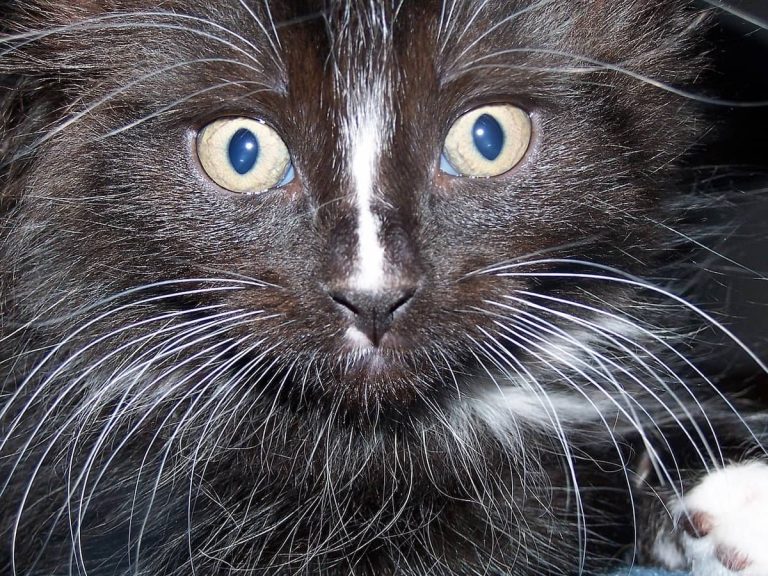
Have you ever noticed your cat acting strangely around their food and water bowls? Perhaps they paw at the food, drop it outside the bowl, or seem hesitant to eat. This behaviour might be a sign of whisker fatigue in cats. Whiskers are incredibly sensitive sensory organs, and deep, narrow bowls can cause overstimulation. This whisker stress can make mealtimes uncomfortable for your feline friend. If you're a cat owner, understanding whisker fatigue is essential to ensure your pet's comfort and well-being.
Whiskers, also known as vibrissae, are not just long hairs – they're essential sensory organs for cats. These specialized hairs are packed with nerves at the base, acting like high-powered antennae.
They transmit information about a cat's environment to the brain and nervous system, helping them navigate in low light, detect changes in air currents, and even judge the tight spaces they can squeeze through.
Think of a cat's whiskers as an extension of their touch perception. As they brush against objects, whiskers provide detailed information about texture, size, and shape.
This extraordinary sensory tool allows cats to navigate their world with precision and confidence, even in unfamiliar surroundings.
Cats possess incredibly sensitive whiskers that act like high-powered antennae. These sensory tools help them navigate, detect changes in air currents and even gauge distances in tight spaces.
When a cat's whiskers repeatedly brush against the sides of a deep food or water bowl, it can cause sensory overload known as whisker fatigue in cats. This overstimulation can lead to whisker stress, making them uncomfortable or even causing changes in behavior.

Whisker fatigue can manifest in subtle ways, but it's especially important for cat owners to be observant around mealtimes. Here are some common signs that I recommend to watch for:
Important: These behaviors can also indicate potentially serious health conditions like dental disease, gastrointestinal issues, or organ (e.g. liver or kidney) problems. Please consult your veterinarian to rule out any underlying medical concerns and determine if whisker fatigue is a contributing factor in your cat.
Fortunately, preventing whisker fatigue is often as simple as making some adjustments to your cat's feeding setup. Here are my main key tips:
While whisker fatigue is a commonly discussed concept, it's important to recognize that scientific research on the subject is still progressing. One study indicates that the type of food bowl may not significantly affect every cat's feeding behaviour. Nonetheless, it's interesting to observe that many cats showed a preference for broader bowls that reduce whisker contact.
My recommendation: If your cat still shows significant signs of discomfort despite these changes, consult your veterinarian. They can help rule out any underlying health conditions and offer additional advice tailored to your cat's needs.
Never trim a cat's whiskers! Whiskers are vital sensory organs, and trimming them disorients cats, compromises their ability to navigate, and can cause significant stress. Whisker fatigue, if present, is best addressed by changes to their food and water bowls, not by trimming.
Whisker fatigue may seem like a minor quirk, but understanding its impact is essential for every cat owner. Our cats rely on their whiskers to navigate their world safely and confidently. By switching to shallow bowls, offering fresh water, and being mindful of bowl placement, you can significantly improve your cat's comfort and well-being. If signs of whisker stress persist, don't hesitate to consult your veterinarian for further advice.


