Hospital Hours: Monday-Friday: 8am-6pm | Saturday: 8am-4pm
(519) 896-0532

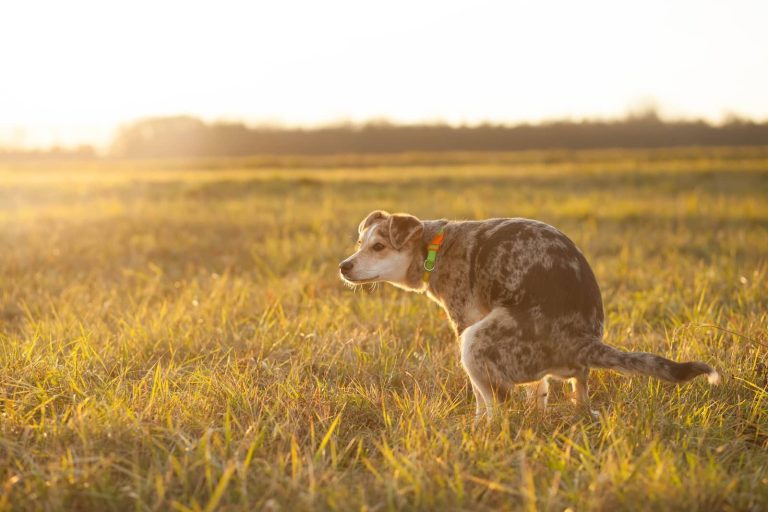
If you’ve noticed black stool in your dog, it can be quite alarming. A question I have received many times over the years is “Why is my dog’s poop black?” A change in stool color may point to a serious issue, such as internal bleeding, but there can be other, less serious causes as well. In this article, I will help guide you through the common causes, what the dog poop color guide reveals, and when to contact your vet if you see black poop in your dog.
That alarming dark color is often a sign of digested blood in your dog's stool, a condition we veterinarians call "melena." Let me explain what that means.
When bleeding happens in the upper part of your dog's digestive system, such as their stomach or small intestines, the blood gets broken down during its journey through the intestines. This process is what turns the blood into a dark, almost black color and gives the stool that sticky, tarry consistency. Bleeding in the lower GI tract, such as the colon, will cause red, bloody stool.
To visualize this, think of it like a bad bruise on your skin. Initially, it might look red or purple, but as the blood breaks down over time, it gradually becomes dark blue or even black. A similar process occurs with blood in your dog's digestive tract.
While black, tarry stool can be a worrying sight, remember that it's a symptom, not a disease itself. My primary goal as a vet is to determine why the bleeding is happening, which will guide us toward the appropriate treatment.
As black stool, or melena suggests bleeding in the gastrointestinal tract, the first place we look is the stomach and upper small intestinal tract.
These are sores that develop in the lining of the stomach or intestines. Gastrointestinal ulcers can form due to various factors, including certain medications (like NSAIDs), infections, and stress. When an ulcer bleeds, it can cause melena.
Vet’s tip: NEVER combine the use of any NSAID and corticosteroid as this will drastically increase the chances of GI bleeding.
IBD is a chronic condition that involves ongoing inflammation in the digestive tract, which can lead to bleeding and melena.
If your dog swallows a sharp object (like a bone splinter) or a toxic substance, it can damage their digestive system and cause bleeding.
Tumors in the stomach or intestines, while less common, can also bleed and cause melena. Gastrinoma (stomach cancer) and GI lymphoma are examples of cancers that can affect the digestive system and cause black stool.
HGE is a serious condition that causes sudden and severe bloody diarrhea and vomiting, often leading to dehydration and shock. Melena can be present as well.
Addison's disease is a hormonal disorder that affects the adrenal glands, which can lead to various symptoms, including vomiting, diarrhea, and sometimes melena.
Finding the root cause of your dog's black stool often involves a multi-pronged approach. Here's a glimpse into the diagnostic process:
A thorough physical exam
Your veterinarian will begin with a comprehensive physical examination, checking for any signs of abdominal pain, pale gums (which can indicate anemia), and other clues that might point toward the underlying cause of the melena.
Blood tests
Blood work is essential, as it can reveal a lot about your dog's internal health. It can help assess organ health and function, and hydration status, and check for signs of infection or inflammation.
Importantly, blood tests can also detect anemia, which often develops when there's significant blood loss. We'll evaluate red blood cell count, hemoglobin levels, and other factors to determine the severity of anemia, if present.
Imaging (X-rays and/or Ultrasound)
X-rays can help visualize any foreign objects that might have been swallowed.
Sometimes, we'll use a special type of X-ray called a barium series. In this procedure, your dog swallows a liquid containing barium that appears white on X-rays. This allows us to track the barium as it moves through the digestive system, helping to identify any blockages, tumors, or abnormalities in the intestines.
Ultrasound, on the other hand, allows us to examine the organs in the abdomen more closely, looking for tumors, ulcers, or signs of inflammation.
Endoscopy
In some cases, we may need to perform an endoscopy. This involves inserting a thin, flexible tube with a camera into the esophagus and stomach to visualize the lining and take biopsies if necessary.
Additional tests
Depending on the suspected cause, we might recommend further tests, such as a biopsy of the intestinal lining, specific blood tests for clotting disorders, or an ACTH stimulation test to check for Addison's disease.
Remember that every dog is different, and the diagnostic journey might vary based on their individual needs. Please rely on your veterinarian's recommendations for your dog.
The treatment for your dog's black stool depends entirely on the underlying cause. Once we've identified what's causing the bleeding, a treatment plan will be tailored to your dog's specific needs. This might include:
Vet’s tip: Please remember never to self-medicate your dog. Some human medications, especially over-the-counter painkillers, can be toxic to dogs and worsen their condition.
Black poop in dogs, while alarming, is often treatable once we uncover the root cause. Remember that melena signals bleeding in your dog's upper digestive tract, and the color comes from the blood being digested. Many things can cause this, from ulcers and infections to medications and underlying health issues. If you notice black, tarry stool, don't hesitate to contact your veterinarian. They will work with you to diagnose the problem and create a treatment plan to get your pet back to feeling its best.
If you have any questions or are concerned about your dog, please contact your veterinarian.


