Hospital Hours: Monday-Friday: 8am-6pm | Saturday: 8am-4pm
(519) 896-0532

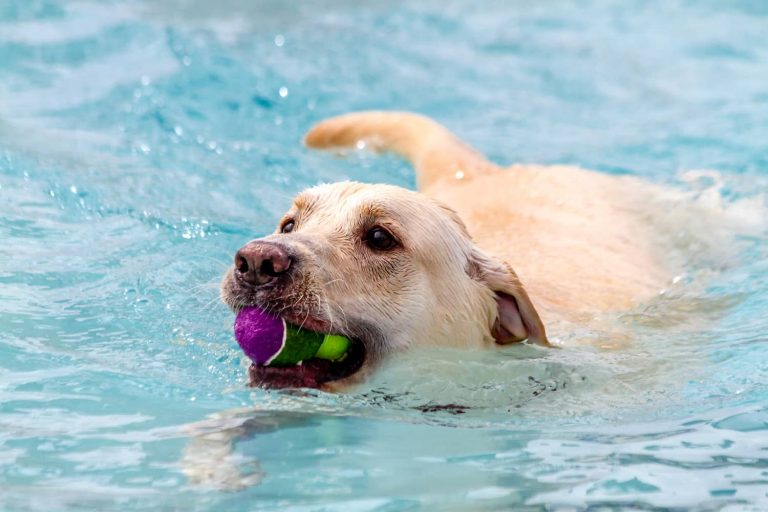
Has your usually cheerful, tail-wagging dog suddenly developed a droopy tail? They might seem uncomfortable, or even in pain. This could be a condition called limber tail, also known as swimmer's tail, among other names. It's a painful issue affecting the tail muscles, often caused by overdoing it with swimming, playing, or other enthusiastic tail-wagging activities. While limber tail usually gets better on its own, it's important to understand why this happens, how to recognize the signs, and what you can do to help your dog feel better.
Think of your dog's tail as an extension of their spine. It's packed with muscles that make all that happy wagging possible. Limber tail in dogs, or acute caudal myopathy, is basically a sprain or strain of those muscles.
It gets the name swimmer's tail because it often happens after a dog spends a lot of time swimming, especially in cold water. Other names like broken wag, dead tail, or frozen tail all describe how the tail suddenly becomes limp or hangs unnaturally.
Key takeaway: Limber tail is a painful but temporary condition that affects the tail muscles in dogs.
The biggest culprit for limber tail is overuse of the tail. Here's a breakdown of common scenarios that might lead to this condition:
Important: While these are common causes of swimmer's tail, sometimes the exact cause cannot be pinpointed.
While any dog can technically develop limber tail or swimmer's tail, certain breeds are more susceptible. This is often due to their size, working roles, and general enthusiasm:
If you own a dog within these categories, being extra aware of the signs and causes of limber tail is wise, especially if they engage in activities like swimming or hunting.
The most obvious sign of limber tail is a change in how your dog holds their tail. It might:
Other common symptoms of limber tail include:
Important Note: Some of these symptoms can overlap with other tail injuries or health issues. Always consult your veterinarian for a proper diagnosis.

Typically, your veterinarian can diagnose limber tail based on a combination of your dog's recent history and a physical exam. Here's what you can expect:
Remember, limber tail is often a diagnosis of exclusion, meaning the vet will first rule out other potential causes for your dog's symptoms.
While limber tail often heals on its own, understanding the treatment of limber tail can help you support your dog's recovery. Here's what typically helps:
It's important to note: Do not give your dog human pain medications without consulting your veterinarian first. Some of these medications can be toxic to dogs.
The good news is that limber tail is typically a temporary condition. Spontaneous recovery occurs in most cases and usually takes from a few days to a maximum of 2 weeks.
While your dog might feel some discomfort in the initial phase, the tail muscles should gradually heal and regain their normal function. However, if your dog's condition isn't improving within a reasonable timeframe, it's always a good idea to check back with your veterinarian.
The prognosis for limber tail is generally very good. Most dogs make a full recovery within a few days to a couple of weeks. While some discomfort and altered tail carriage are common initially, the tail muscles typically regain their strength and function without any lasting effects.
Here are some additional points about the prognosis:
Overall, the vast majority of dogs who experience limber tail bounce back with no permanent consequences.
While there's no guaranteed way to prevent limber tail, taking some precautions can help lower your dog's risk, especially if they're prone to the condition. Here's what you can do:
Remember: Even with preventative measures, sometimes limber tail just happens, especially in active dogs.
While limber tail can be a painful experience for your dog, it's usually a short-lived condition that heals on its own. If you notice your dog's tail suddenly hanging limp or they seem uncomfortable, don't hesitate to consult your veterinarian. They can rule out other potential problems and recommend ways to help your dog feel better. With a bit of rest and care, your happy, tail-wagging companion will be back to their usual selves in no time.


