Hospital Hours: Monday-Friday: 8am-6pm | Saturday: 8am-4pm
(519) 896-0532

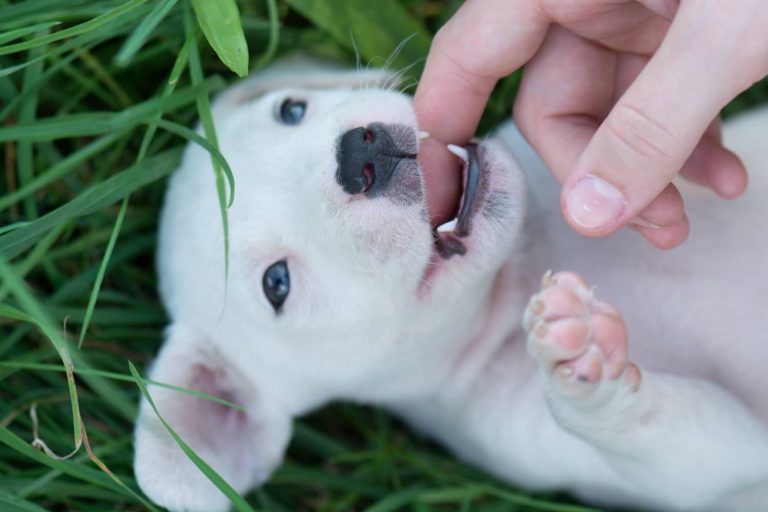
All puppies go through a teething process where they lose their temporary puppy teeth and replace them with permanent adult teeth. A common question from pet parents is "When do puppies lose their teeth?". This usually starts when the puppy is around 12 weeks old and can last until they are about 6 months old. During this time, you may notice your puppy chewing on more things than usual, drooling more, or having traces of blood in their food or water bowls. Puppy teething can be uncomfortable for them, but it is a normal part of their growth and development.
Puppy teething is a natural process that occurs in all dogs, much like it does in human babies. It’s a time of significant change and growth, and understanding what’s happening in your puppy’s mouth can help you support them through this phase.
Puppies are born without teeth, but their first set of baby teeth, also known as deciduous teeth, start to emerge between 3-4 weeks of age. These baby teeth are sharp and are used for grabbing and tearing food. As your puppy grows, these baby teeth will start to fall out, making way for their permanent adult teeth.
Puppies start developing their 28 temporary, or deciduous, teeth, also known as their baby teeth, around three weeks old. These teeth eventually fall out and are replaced by adult teeth. All of the adult teeth should be in by the time the puppy is six months old.
Puppies have three different types of teeth: incisors, canines, and premolars. The incisors are the teeth in the front of the mouth that they use for biting and chewing. The canines are the sharp teeth next to the incisors that they use for tearing food. The premolars are in the back of the mouth and they help with grinding food.

The approximate ages at which puppies lose their teeth are as follows: The puppy teething timeline includes the stages of development from the emergence of baby teeth around 3-4 weeks to the transition to adult teeth by 5-7 months.
Incisors: 12-16 weeks of age (3-4 months)
Canines: 12-20 weeks of age (3-5 months)
Premolars: 16-20 weeks of age (4-5 months)
As your puppy starts to lose their teeth, you may notice them engaging in more teething and chewing behaviors. This is because their gums are sore and they are trying to relieve the discomfort. They may also drool more than usual and you may see traces of blood in their food or water bowls. These are all normal symptoms of teething and should resolve within a few weeks.
Teething puppies can exhibit different symptoms from one puppy to the next. Some puppies may not have any symptoms at all while others may have very severe symptoms. If you are concerned about your puppy’s teething process, please consult with your veterinarian.
Teething toys and chews are essential for puppies going through the teething process. These toys and chews help to alleviate jaw discomfort and prevent unwanted chewing of other objects. There are many types of teething toys and chews available, including soft toys, rubber toys, and chilled or frozen toys. Some popular options include:
When choosing teething toys and chews, it's important to select options that are both safe and durable. Avoid giving your puppy small objects that could be swallowed, and always supervise your puppy while they’re playing with toys. Providing the right chew toys can significantly ease your puppy’s teething discomfort and keep them entertained.
If a puppy’s teeth do not fall out when they are supposed to, this is called retained deciduous teeth. This can cause problems with the adult teeth when they come in and will require treatment from your veterinarian.
This is very common in small breed dogs and the most common retained puppy teeth are the canine teeth. Retained deciduous teeth can result in malocclusions, an abnormal bite, and maligned adult teeth. Additionally, plaque and tartar often develop between the retained tooth and the adult tooth, which can lead to periodontal disease.
Some common dental problems in young dogs include:
There are a few things that you can do to help your puppy during the teething process:
Puppies will start to get their 42 adult teeth around 16 weeks of age (four months). By 6 months of age, all of the adult teeth should be in.
Puppies begin to lose their milk teeth, also known as deciduous or temporary teeth, at around three weeks old. These teeth fall out and are replaced by adult teeth by the time they are six months old. Teething signs vary but often include increased chewing, drooling, and traces of blood in their food or water bowl. If a puppy's teeth don't fall out as expected, this is known as retained deciduous teeth, which can lead to issues with adult teeth. To support your teething puppy, provide chew toys, ensure they get enough exercise, and offer a frozen dishcloth or towel to chew on. Puppies start developing their 42 adult teeth around 16 weeks of age, and by six months, all adult teeth should be in. If you have concerns about your puppy's teething process, please reach out to your veterinarian.


