Hospital Hours: Monday-Friday: 8am-6pm | Saturday: 8am-4pm
(519) 896-0532


Diarrhea is one of the most common symptoms a dog can have. You may ask yourself "My dog has diarrhea but is acting fine, should I be concerned?" While diarrhea can be alarming, it's not always a sign of severe illness, especially if your dog remains active, happy, and normal otherwise. In this guide, we'll explore why dogs experience diarrhea without other symptoms, how to first attempt to manage this condition at home, and when you should see your veterinarian.
When a dog has diarrhea, their stool becomes loose, watery, and often more frequent than usual. This condition can be perplexing, especially when the dog is acting fine otherwise. Every pet parent needs to recognize that diarrhea in dogs can range from mild to severe and can be categorized as either acute or chronic.
Mild acute diarrhea is a sudden onset and typically short-lived and self-limiting condition. It's not uncommon and can sometimes resolve on its own within days. On the other hand, chronic diarrhea is a persistent condition that lasts longer and may indicate an underlying health issue that needs attention.
Despite the discomfort it may cause, a dog with diarrhea who is acting fine might not be in immediate distress. However, it's important to keep a close eye on them. If the diarrhea persists or if other symptoms develop, it's time to contact your veterinarian.
There are many conditions and diseases that can result in diarrhea in dogs. Some are more serious than others and there may be accompanying symptoms such as vomiting, lethargy, changes to thirst, or lethargy.
Some of the common diseases and health conditions that can result in diarrhea as a symptom include:
It can be confusing when your dog has diarrhea but is otherwise acting normally. Understanding why this happens involves looking at the common causes of diarrhea that typically don’t affect a dog’s overall behavior or energy levels.
The most common causes of diarrhea in dogs where they act fine include:
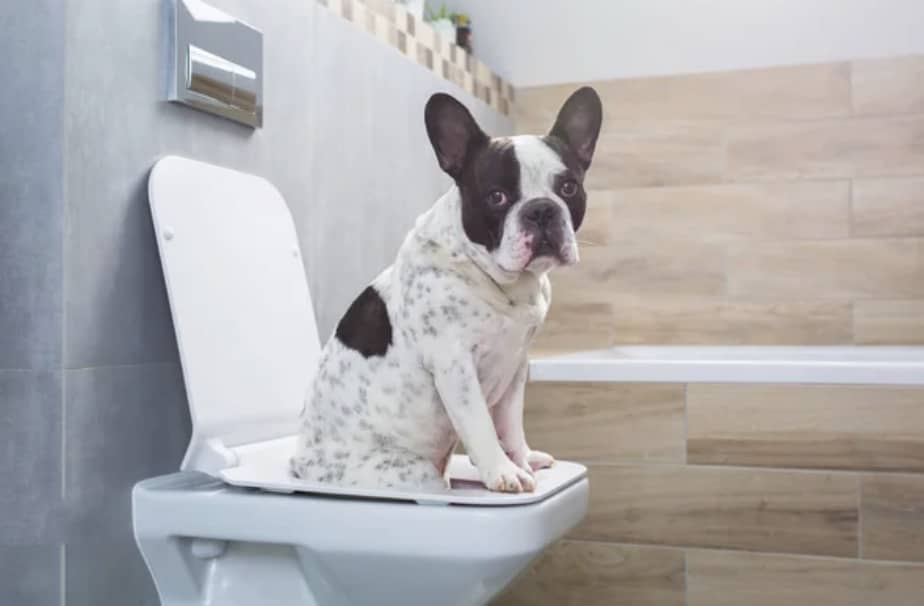
In most cases where your dog is acting perfectly fine yet it has diarrhea, it will resolve spontaneously in a a couple days.
With that, when dealing with a case where your dog has diarrhea but is acting fine, there are several home care strategies you can implement. The following methods and treatments are particularly useful for managing mild dog diarrhea:
Bland biet: Feeding your dog a bland diet is an effective way to manage diarrhea. Gentle foods like boiled white rice and chicken may help firm up the stool.
Gradual diet changes: If introducing new dog food, do it gradually to prevent digestive upset, which can cause diarrhea.
In the past, it was recommended to fast a dog that had developed acute, mild diarrhea. We no longer recommend this as recovery is faster when your dog continues to eat.
As diarrhea results in fluid loss, maintaining proper hydration is vital. Encourage them to drink plenty of water and the easiest way to do this would be watering down the bland diet or feeding a canned diet specifically designed for gastrointestinal issues.
Adding fiber to your dog's diet can help normalize stool consistency. Plain canned pumpkin (not pie filling) or psyllium husk powder are good options. Be sure to provide plenty of water, as fiber works best when there is adequate hydration.
Please note that fiber should only be given to dogs where there is large bowel diarrhea as giving fiber to dogs with small bowel diarrhea can make it worse. Signs of large bowel diarrhea in dogs include urgency to defecate, blood or mucus, straining, and sometimes explosive diarrhea.
Probiotics can help restore the natural balance of bacteria in your dog’s gut, which can be beneficial for dogs suffering from diarrhea. Look for formulations specifically designed for dogs and follow the recommended dosages.
Avoid giving your dog treats or human food that might cause diarrhea. Stick to their regular, well-tolerated dog food and the bland diet.
It's important to remember that these home care strategies are suitable for mild cases of diarrhea where the dog is otherwise acting normally. If your dog with diarrhea shows signs of severe distress, such as bloody diarrhea, prolonged watery diarrhea, vomiting, or lethargy, you need to seek professional veterinary care immediately. Your vet can provide more specific and effective treatment based on the underlying cause of diarrhea.
It is not recommended to give your dog over-the-counter medications without consulting with your veterinarian first. Some human medications can be toxic or harmful to dogs and may worsen their condition.
Many clients ask if they can give their dog Pepto-Bismol for diarrhea. While it can be used for dogs in some instances, it isn't suitable for all dogs and can sometimes cause adverse side effects, such as changes in stool color, constipation, or even salicylate toxicity in rare cases. Certain breeds may also be sensitive to aspirin compounds, including the one found in Pepto-Bismol.
What about using Imodium® for your dog's mild diarrhea? The drug in Imodium is loperamide and can be beneficial in treating diarrhea in dogs where they are acting fine. As there are significant contraindications however to using Imodium, therefore we do not recommend using loperamide in dogs without seeing your veterinarian first.
While mild and occasional diarrhea where your dog is acting fine may not require immediate veterinary attention, there are instances where it's best to seek professional help.
Here are some guidelines to help you decide if you should see your vet:
In conclusion, when your dog has diarrhea but is acting fine, it is usually not cause for immediate concern. Home care strategies such as a bland diet, hydration, and some supplements can help alleviate symptoms. However, if your dog's diarrhea persists or is accompanied by other concerning symptoms, it's best to seek veterinary advice for proper diagnosis and treatment. And remember, never give your dog over-the-counter medications without consulting with your veterinarian first. By following these guidelines and seeking professional help when necessary, you can help your furry friend feel better and get back to their normal, happy self.


